Earlier
this month, AOL released sensitive
search data detailing 20 million
searches preformed by 658,000
subscribers. While the AOL data
obviously raises privacy concerns,
it can contain useful information


for search engine marketers.
Which result page gets the
most clicks?
The AOL data allows us to find
out how many people visit more
than one result page on AOL:
91.63% of the AOL users clicked
on the results on the first
result page. Only 4.49% clicked
a result from the second result
page, 2.19% clicked a result
on the third result page and
even less people looked beyond
the first three result pages.
Which search result position
gets the most clicks?
The AOL data also allows us
to find out which search result
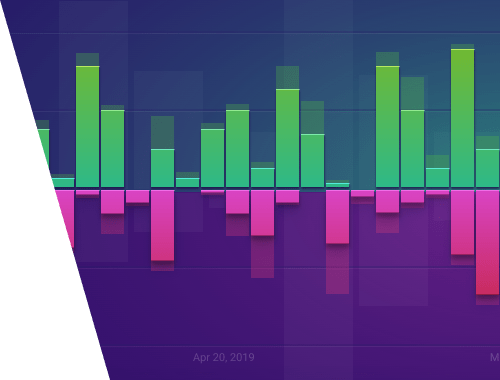
gets the most clicks. The following
diagram shows the percentage
of user clicks per search result
position:
Being #1 on the
search results is best by far.
47.16% of the users clicked
on the first result. That means
that the first position in the
search results gets almost half
of the traffic.
It this also
true for Google and Yahoo?
The numbers are
for AOL users. Google and Yahoo
users might be from a different
demographic group than AOL users
and they might have different
search behavior. AOL users are
often less tech-savvy, when
compared to Google users.
What does this
mean to your web site?
The AOL data shows
how important it is to be listed
on the first result page. The
higher your search engine rankings
are, the better.
To be listed on
the first result page on Google
and other major search engines, optimize
the content of your web pages and make
sure that your web site has
good inbound links.
Optimized web
page content and good inbound
links are the most important
factors for high search engine
rankings. If your web site has
both, it will be ranked on the
first result page of all major
search engines.
|